-
 Crew Profile
PRODUCTION OFFICE
The production office is referred to as the “front office” and includes staff such as
the Production Manager, Production Coordinator, and their assistants; the
accounting staff; the Assistant Directors, sometimes the Locations Manager, and
Assistants. -
 Crew Profile
SCRIPT DEPARTMENT
The Script Department act as a liaison between scriptwriters and the
production team. They collaborate with Producers and Directors, to achieve the
best possible editorial outcome and deliver scripts on time, in the specified
format, and to the agreed length. They brief, critique and assist writers from
script commission to delivery – all the time ensuring that the script can be
produced on budget and to the specifications of the original brief. -
 Crew Profile
ASSISTANT DIRECTORS
The Assistant Director (AD) Department is responsible for a lot of what happens on the floor (on set). This includes planning the shooting schedule, call sheets, and ensuring that production stays on track and on schedule.
They allow the Director to keep their mind on the creative vision, taking the responsibility of ensuring actors and crew are in the right place at the right time, and that calls on set are heard by all members.
-
 Crew Profile
CASTING
Good casting is crucial to making characters credible on screen and is
fundamentally important to a film/TV programme’s success. If you are
considering a job in casting, you must have a wide knowledge of cinema and
actors. -
 Crew Profile
ACCOUNTS / FINANCE
A production’s financial resources must be meticulously managed and
controlled by skilled Accountants. In the film & TV industry their role is
particularly critical, as large sums of money need to be accumulated and spent
within a relatively short period of time, and ongoing changes to budgets occur
throughout development, pre-production, production and post-production. -
 Crew Profile
ART DEPARTMENT
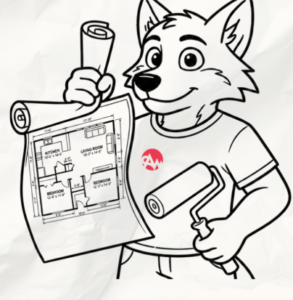
The art department is responsible for the overall look of the film. In a major film, it can include hundreds of people. Generally, there are several sub-departments, including an Art Director and Set Designers; the Set Decoration; the Props Master; construction headed by the Construction Coordinator; scenic headed by the key Scenic Artist; and Special Effects.
-
 Crew Profile
SET DECORATION DEPARTMENT
Set Decorators (Set Dec) provide anything that furnishes a film set, excluding structural elements. They may have to provide a range of items, from lumps of sugar and tea spoons, to newspapers, furniture, and drapes, to cars, carriages, or even cats and dogs. There are two types of props: action props, or all props that are
described in the shooting script; and dressing props, or items that help to bring characters to life or to give a certain atmosphere and sense of period to a place. -
 Crew Profile
PROPS DEPARTMENT
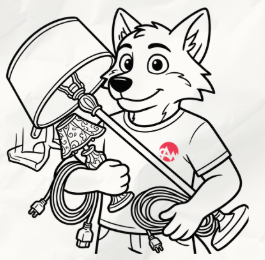
The Properties Department is responsible for the creation, operation, and maintenance of all props used on feature films. The term ‘props’ refers to any movable item, which is meant – the furniture, drapes, flooring, etc., used to dress sets, items which are used or held by Actors, objects central to the action in a scene, replica items made of soft materials, props which may move or illuminate. Props also include weapons, such as guns and knives, and greenery and foliage, including trees and plants.
-
 Crew Profile
PROP FABRICATION DEPARTMENT
Builds the props that are used for the film. Props builders are often technicians skilled in construction, plastics casting, machining, and electronics.
-
 Crew Profile
CONSTRUCTION DEPARTMENT
The construction department is responsible for the physical building of sets and scenery. Construction works closely with Art Directors and other Designers to produce a set that’s within the budget as well as an environment that is safe for those working within it.
-
 Crew Profile
CAMERA DEPARTMENT
The Camera Department works with extremely delicate, expensive equipment and is amongst the most highly skilled practitioners on any film crew.
Although the hours are long, and some foreign travel may be required, involving long periods spent away from base, the work is highly creative and very rewarding. -
 Crew Profile
SOUND
Recording all sound on set or on location is the work of the Production Sound Crew, which includes Production Sound Mixers, Boom Operators, and Sound Assistants; on bigger productions, Sound Trainees may also be employed.
Although film is considered a primarily visual medium, much of the storytelling and emotional resonance of a script is conveyed through dialogue. -
 Crew Profile
LIGHTING/ELECTRICAL DEPARTMENT
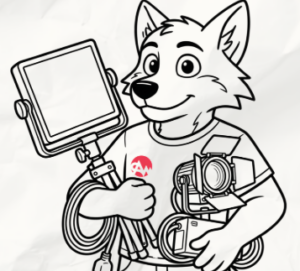
The Lighting department plays a crucial role in most film crews. Although some productions may make use of daylight, for the most part, it is necessary to use artificial light to achieve the visual image required. The different members of the Lighting crew are responsible, together with others such as the Camera crew or Designer, for the look and feel of the images that are captured on the screen. They set up a wide range of lighting equipment to achieve a variety of moods, atmosphere, and effects, as well as helping to make the actors, performers, and participants look right for their roles. All
members of the Lighting department are trained to work safely with electricity, and all its obvious potential dangers, once trained, may take up specialist roles within the lighting team. -
 Crew Profile
GRIP DEPARTMENT
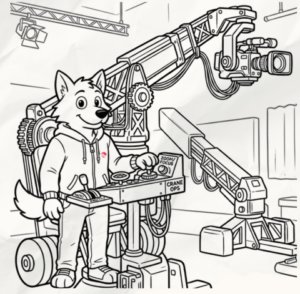
Grips are the lighting and rigging technicians. They function as a cross between a mechanic and a construction worker on the set. A grip’s job responsibilities include: working closely with the Camera Department, especially if the camera is mounted onto a dolly or crane; working closely with the electrical department to put in lighting setups necessary for a shot. Grips do not actually work on the lighting (they are not technically electricians) but handle all other necessary equipment; responsible for all “rigging” on the set, including lighting equipment rigged over actors and crew, working with pulleys, steel cables; responsible for all safety on the set as it relates to the equipment they work with. Equipment responsible for all “rigging” on the set, including lighting equipment rigged over actors and crew, working with pulleys, steel cables; responsible for all safety on the set as it relates to the equipment they work with.
-
 Crew Profile
HAIR & MAKE UP DEPARTMENT
The Make-up and Hair departments may be combined, with a Make-up and Hair Designer in charge; or they may be separate with a Chief Make-up Artist and a Chief Hairdresser controlling their respective sections. On larger film productions two or more units may work simultaneously, with Chiefs overseeing hair and/or make-up on each unit and the Designer in overall control.
-
 Crew Profile
COSTUME DEPARTMENT
The costume department is responsible for finding, creating, or hiring the costumes for every character on screen. To work in costume, you must have a deep understanding and interest in fashion and clothing history, design, and trends in order to make a film or TV show both believable and visually interesting. It is incredibly important for the actors to feel not only physically comfortable in the costumes they wear but also emotionally connected to the
character by donning that costume. Sometimes the costume department will have to come up with creative solutions to technical issues, for example, concealing a bag of special effects fake blood or hiding a battery pack for microphones. The department is led by a costume designer who oversees assistants, supervisors, dressers, and trainees or runners. -
 Crew Profile
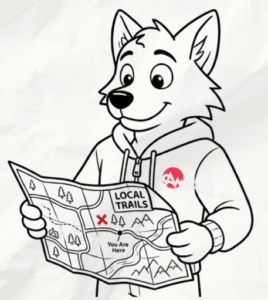
LOCATIONS DEPARTMENT
The Locations Department’s primary role is to identify and find ideal locations for a film shoot, reporting to the Producer, Director, and Production Designer. It also involves negotiating with each location’s owners about several issues, such as the cost and terms of the hire, crew and vehicle access, parking, noise
reduction, and what official permissions may be required. Once filming has begun, Location Managers oversee managing all aspects of shooting in each location and ensuring that every location is handed back to its owners in a
satisfactory condition after the shoot. On larger productions, Location Managers may supervise Assistant Location Managers and/or Location Scouts, each of whom supports and assists the Location Manager in finding the ideal location, and in all matters relating to its use for filming. -
 Crew Profile
FACILITIES
Facilities management focuses upon the efficient and effective delivery of support services for the running of the production that it serves, which
encompasses make-up trucks, star trucks, honey wagons, and all other associated support vehicles needed for a production. -
 Crew Profile
TRANSPORT
The Transport Department provides crucial support to a film production. Even the lowest budget feature is likely to require at least one person to oversee the transport of cast, crew, and equipment to the location of the film shoot. In the case of a very big budget film produced outside the UK, such as a James Bond feature, the demands placed on the Transport Department are huge: equipment must be packed and shipped to multiple locations in the UK or overseas; travel permits must be sorted out; complex itineraries for the hundreds of cast and crew must be arranged; and support vehicles such as mobile production offices, artist caravans and mobile toilets, must be hired. Given the time constraints of a film shoot, everything and everybody must arrive at exactly the right time.
-
 Crew Profile
CATERING
Film crews work long hours and need to eat well. On sets or locations, the standard daily meals are breakfast, lunch, and dinner, plus tea or snacks if the crew are required to work late into the evening. Catering is provided by specialist companies who drive catering trucks packed with food and a range of equipment, including ovens, extraction fans, fridges, gas, and water, to each Unit Base. On big films, these trucks can be 35ft in length and weigh up to 8 tons. Catering companies vary in size; the biggest have as many as 20 trucks, employ hundreds of staff, and have their own garage maintaining their vehicles. The smallest comprises one or two individuals who prepare the menus, buy, cook, and serve the food, make teas and coffees, clean and drive the truck to
and from locations. Catering companies are hired by Production Managers who put the work out to tender according to the catering budget agreed with the Producer. Catering companies prepare quotes and supply sample menus, and if their tender is accepted, provide catering for the production. On big films, the
Catering Crew typically involves Unit Leaders, Location Chefs, Salad Persons, and Dish Washers. As in all jobs in the catering profession, the work is hard, and hours can be long. -
 Crew Profile
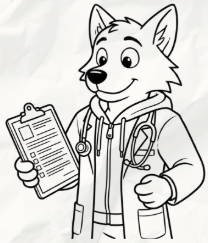
HEALTH & SAFETY
Film and TV productions often require long hours in challenging locations, working to a fast turnaround. By having proper H&S procedures in place, you are playing your part in keeping everyone you work with safe.
-
 Crew Profile
POST PRODUCTION
The Post Production Department is responsible for transforming the RAW footage and sound into the final piece aired on screen.
Working closely with the Director, Producer, and Executive Producer, the Post Production department creates the final narrative and polishes the audio and visuals to a high standard.
-
 Crew Profile
SFX (SPECIAL EFFECTS) DEPARTMENT
The SFX Department is responsible for creating physical and practical illusions directly on screen, rather than in post-production.
-
 Crew Profile
CREATURE FX
Creature Effects specialises in the manufacture and application of prosthetics, special makeup effects, and creatures for film and television.
-
 Crew Profile
Visual Effects (VFX)
The VFX Department creates, manipulates, and enhances digital imagery, using computer-generated elements (CGI) with live footage, helping to digitally create scenes that are impossible, dangerous, or expensive for the final piece.
-
 Crew Profile
STUNTS
The Stunt Department is responsible for creating, choreographing, and safely executing dangerous action scenes.
-
 Crew Profile
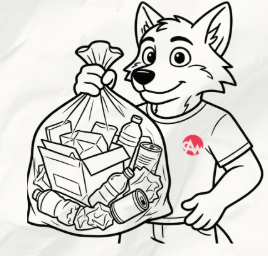
SUSTAINABILITY
The Sustainability department is responsible for ensuring that the production and its crew are using sustainable practices within their work.
-
 Crew Profile
ACCESSIBILITY
The Accessibility department supports the production by ensuring that all crew members and talent are comfortable and safe within their role when referencing accessibility needs.